

Was the first month easy?

Was the first month easy?

I've just completed my first 30 days folling the Atlas Diet. Was it easy? No! Am I happy with the results? Absolutely. Would I do it again? I'm already rolling into my next 30 days without a 'cheat day' or a 'carb holiday'.

Let me be straight with you: the Atlas Diet is not easy. Any approach to eating that stops you from grabbing whatever you fancy off the supermarket shelf is going to take effort. I'm not going to pretend otherwise, and I wouldn't trust anyone who did.

But here's what I didn't expect. The difficulty has been the most valuable part. The moment you can't take the easy option, you start seeing the easy option for what it actually was. Ultra-processed. Loaded with sugar. Built almost entirely on carbohydrates.

Thirty days in, something has shifted. My dessert now is a small bowl of zero-carb yogurt, a handful of berries, a few nuts, a dash of double cream. And no joke, I genuinely look forward to it. Not in the way you tell yourself you enjoy something healthy. I actually look forward to it because my tastes have changed.

If you offered me a pizza today, or a Mars bar, or a chocolate muffin? I'd say no. Not out of willpower. The cravings have simply gone.

Don't get me wrong, the first week of the Atlas Diet was difficult. I got a headcahe on day four because my body was craving sugar. I felt distant and foggy, but a few days later everything evened out. The cravings started dropping, and my general anxiety did too.

And then there's something harder to explain but impossible to ignore. My head is calmer. I have a very ADHD brain, and I'm not making any scientific claims here - I'm not a doctor, and this is just my experience - but the lift-and-crash cycle of refined sugar eating has gone. I don't miss it. Not at all.

The weight is dropping. The body is changing. But honestly, it's the mental shift that's surprised me most.

Easy? No. Worth it? Completely.
ATLAS – A Practical Strength-Based Diet for Modern Life

ATLAS – A Practical Strength-Based Diet for Modern Life

Atlas was not born in a fitness studio or a podcast bunker full of supplements and cold plunges. It was born from necessity.

After undergoing major heart surgery, I needed to lose weight without losing muscle. I needed a way of eating that helped rebuild strength, reduce body fat, support recovery and improve long-term health, without falling into the extremes of traditional dieting.

Keto felt too heavy in saturated fats. Traditional calorie counting felt exhausting. Most diets seemed designed either for bodybuilders, influencers or people with unlimited time and money.

Atlas became the middle path.

At its core, Atlas is a high-protein, low-carb, whole-food lifestyle built around one simple idea:

Feed the body what it can actually use.

That means prioritising:

  • protein for muscle preservation and repair
  • green vegetables for fibre, nutrients and gut health
  • healthy fats for brain function and satiety
  • low-sugar foods to stabilise energy and reduce cravings
  • regular movement to build strength and consistency

Atlas is not anti-food and it is not anti-enjoyment. It simply recognises that many modern diets are overloaded with ultra-processed carbohydrates and low in the nutrients that help people feel full, strong and energised.

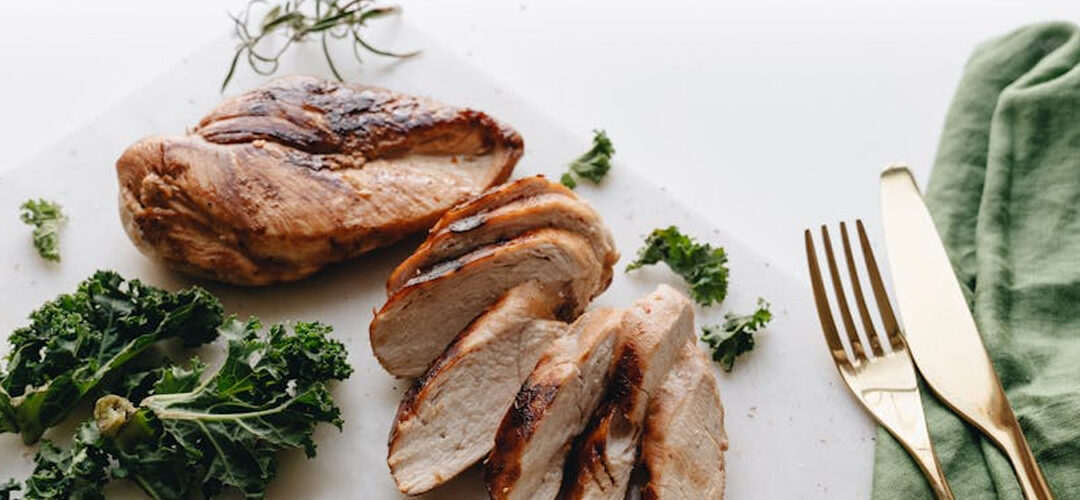
The diet focuses heavily on lean proteins such as chicken, eggs, fish, Greek yoghurt and tofu, alongside green vegetables, salads, nuts and lower-carb options. Tofu is encouraged as a way to break up the “meat cycle” and provide variety without relying entirely on animal products.

Unlike strict carnivore-style diets, Atlas intentionally includes vegetables and salads because health should feel balanced, not restrictive. A large spinach salad with protein is considered just as “Atlas” as grilled salmon or eggs.

Atlas also acknowledges something many diets ignore:

Carb cravings are real.

Instead of pretending people should live on willpower alone, Atlas allows simple low-carb sweet options such as zero-sugar yoghurt with berries, nuts and a little cream. The goal is sustainability, not punishment.

Exercise within Atlas is reframed as “moves” rather than workouts. Four or five moves a week, whether that means walking, weights, cycling, swimming or bodyweight exercises, is enough to create momentum and support physical and mental health.

Atlas is hard at first. Reducing sugar and processed foods can feel antisocial and uncomfortable, especially in a culture built around convenience eating. But the payoff can be dramatic. By focusing on foods that support lean muscle, fat loss and cognitive health, many people experience fast improvements in body composition, energy and hunger control.

Most importantly, Atlas is designed for ordinary people.

Not elite athletes.
Not influencers.
Not wellness millionaires.

It is built for families, busy workers, tired parents and people who simply want to feel stronger, lighter and healthier without turning their entire life into a diet.

Atlas is not about becoming smaller.

It is about becoming capable again.