

Is This the Best Diet for Your Heart?
Cardiologists have been saying it for years: the Mediterranean diet is the gold standard for longevity. Based around olive oil, vegetables, oily fish and minimally processed foods, it consistently outperforms every flashy trend that comes along.
They're not wrong. The science behind the Mediterranean approach is some of the most robust in nutrition. Extra virgin olive oil as a primary fat source, plenty of vegetables and legumes (I only learned this week what legume means. I’m too old to lie to you about what I do and don’t know. It’s seeds, beans and peas), regular servings of oily fish, quality proteins, wholegrains, minimal ultra-processed foods and added sugar. It's been followed for thousands of years and it shows: some of the highest life expectancies in the world are found in the regions that eat this way.
So when I was building ATLAS, the Mediterranean diet was one of the first places I looked. A huge amount of it made it straight into the framework. The fish, the olive oil, the vegetables, and 100% the heart-first thinking.
But there's a problem with the Mediterranean Diet. And it's a significant one.
The Mediterranean diet, as typically followed, will not keep you in ketosis. Wholegrains, legumes, sweet fruits - these are carbohydrate-heavy foods. For general longevity, that's fine. But that’s not what we’re going for. We want our bodies to stop relying on carbs for fuel and start doing what they’ree supposed to do with stored fat: use it for energy. We want to drop or maintain our weight whilst also dropping our body fat percentage.
That's the gap ATLAS fills.
I personally have a very specific reason for caring about the heart-healthy side of this. I survived a sudden and unexpected aortic tear - one minute I was watching TV with my cat, next I was fading out on the floor in agony. After that, ‘I want to lose a bit of weight’ became I need to protect my heart for the rest of my life.’ Every food choice I make now, I'm thinking about my arteries and my blood pressure. You might think that sounds like a lot of work, or that I might be anxious about food, but that’s not the case at all. I’ve always seen my survival and recovery as ‘bonus time’, and when I follow the Atlas Diet it takes away the anxiety because I know I’m literally doing everything I can to stay healthy for as long as possible.
ATLAS takes the Mediterranean principles that cardiologists actually agree on: oily fish like salmon and mackerel for omega-3s, extra virgin olive oil for its anti-inflammatory properties, green vegetables for fibre and micronutrients, and a strong emphasis on quality protein. All of that is in.
What ATLAS removes or reduces: the high-carbohydrate elements that prevent ketosis. The wholegrains, the legumes in volume, the fruit-heavy approach. We replace those with higher-quality protein sources, healthy fats that sustain energy, and a low enough carbohydrate intake to keep you burning fat.
The result is a diet that gives you the heart-protective, brain-supporting, longevity-focused benefits that make the Mediterranean approach so compelling, while adding the fat-burning engine that keeps you lean.
ATLAS: Lean, clean and in ketosis.
Cheat Code #2: The Atlas Dessert
One of the biggest myths about eating clean is that you have to give up everything you enjoy. You don't. You just have to make smarter swaps — and sometimes the swap is actually better than the original.
Take dessert. A single scoop of vanilla ice cream is around 200 calories and 24g of carbs, most of which is pure sugar. It tastes great for about 45 seconds, then your insulin spikes and your body quietly parks the whole thing as fat.
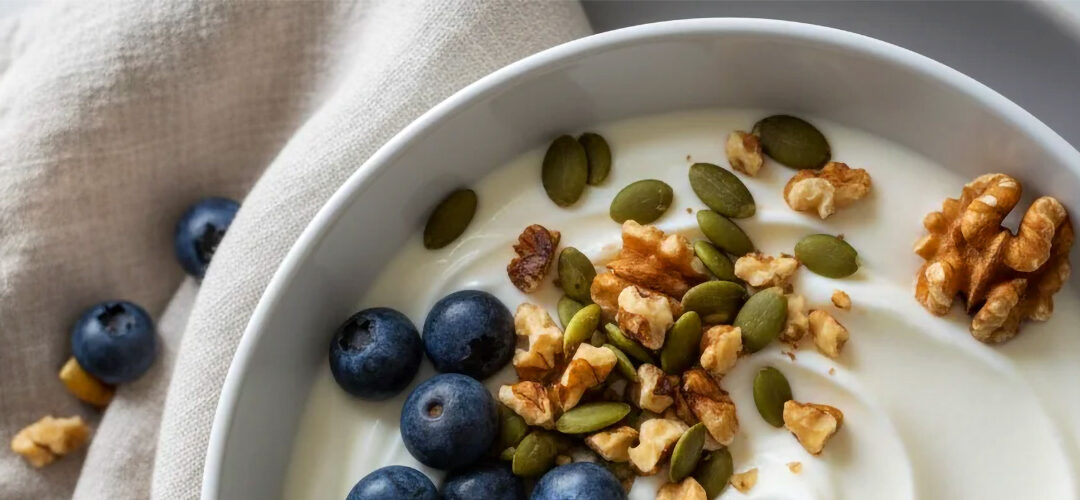
The Atlas Diet alternative takes 90 seconds to make: 150g of zero-carb Greek yoghurt, a teaspoon of double cream, about 12 blueberries, and 8 crushed walnut pieces. Around 164 calories, 13.5g of protein, and just 2.2g of net carbs. The walnuts give you crunch and healthy fats. The blueberries bring the sweetness without the spike. The cream makes it feel like an actual treat.
ATLAS isn't about stopping treats. It's about eating things that work for you rather than against you. This does exactly that.
The Atlas Dessert
150g zero-carb Greek yoghurt
1 tsp double cream
12 blueberries
8 crushed walnut pieces
~164 kcal · 13.5g protein · 2.2g net carbs
Cheat Code #1: The Atlas Coffee
Missing your lattes?
I definitely was! A flat white with one sugar was part of my daily routine for years, but at around 136 calories and 14g of carbs per cup, it was quietly working against everything I was trying to achieve.
Black coffee felt like the obvious answer. And honestly? It's a wee bit bitter for me! I wish I could be like all you black-coffee-drinkin' TV detective types, but I'm just not built that way.
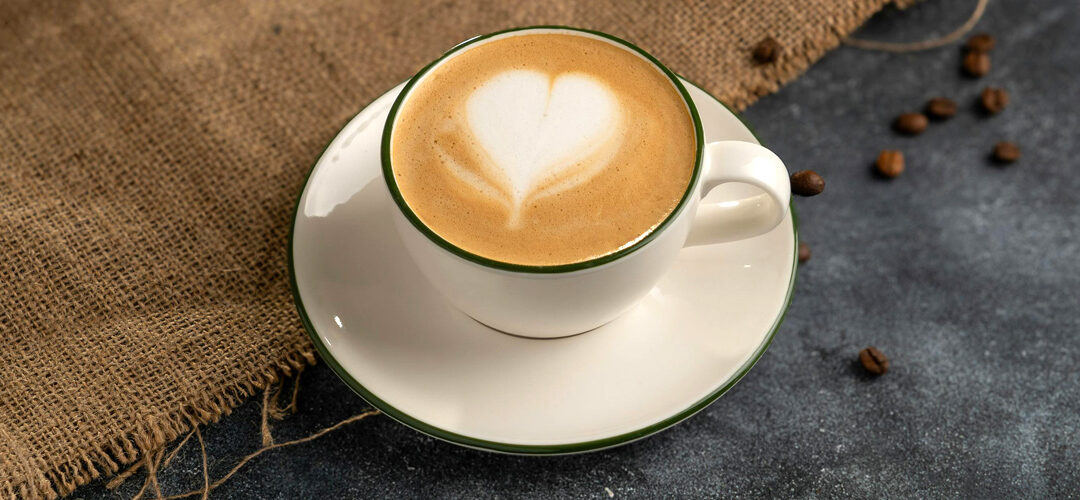
So I found a workaround. When I'm out, I order a black coffee and ask for soya milk on the side. Very nice. But at home I make something I really look forward to: half a cup of zero-carb soya or almond milk (heated in the microwave for 45 seconds), coffee from a pod, and a single teaspoon of double cream. It sounds small, but that teaspoon makes it rich, smooth and genuinely satisfying.
The result? Under 40 calories. Almost zero carbs. And I'm not kidding when I say I actually prefer it now. I've never gone back to the flat white of my pre-Atlas life, but I'm guessing it'd taste pretty sweet for me now.
I'm not going back!
The Atlas Coffee (home version)
- Half cup unsweetened zero-carb soya or almond milk
- 1 pod coffee or hot water
- 1 tsp double cream
~35 calories · ~0g net carbs

Was the first month easy?
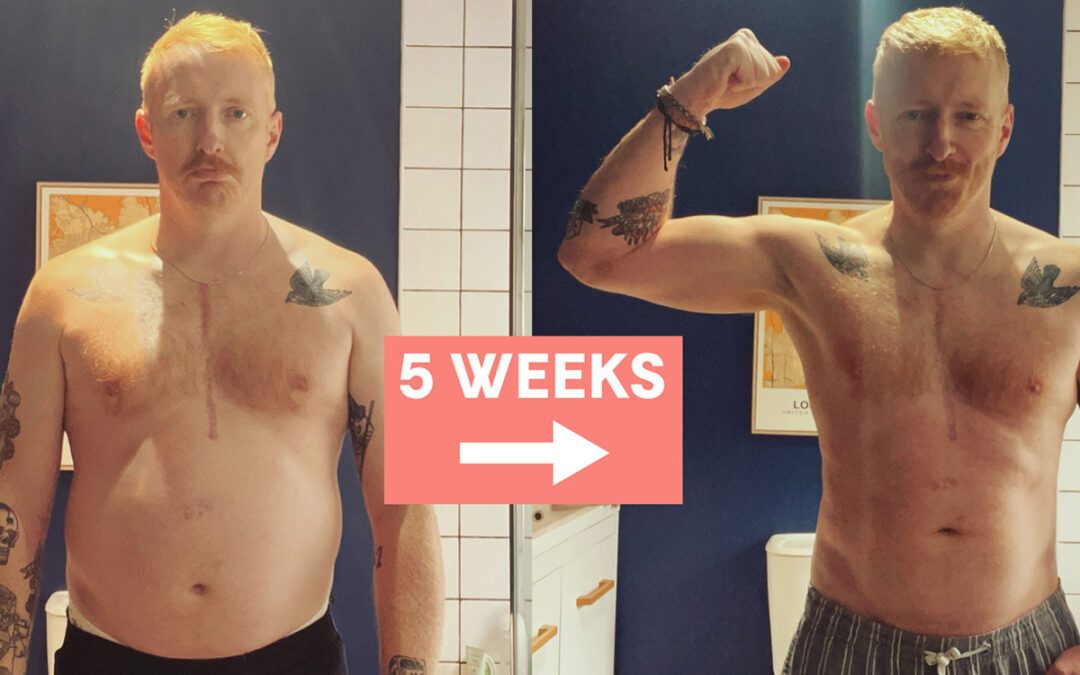
I've just completed my first 30 days folling the Atlas Diet. Was it easy? No! Am I happy with the results? Absolutely. Would I do it again? I'm already rolling into my next 30 days without a 'cheat day' or a 'carb holiday'.
Let me be straight with you: the Atlas Diet is not easy. Any approach to eating that stops you from grabbing whatever you fancy off the supermarket shelf is going to take effort. I'm not going to pretend otherwise, and I wouldn't trust anyone who did.
But here's what I didn't expect. The difficulty has been the most valuable part. The moment you can't take the easy option, you start seeing the easy option for what it actually was. Ultra-processed. Loaded with sugar. Built almost entirely on carbohydrates.
Thirty days in, something has shifted. My dessert now is a small bowl of zero-carb yogurt, a handful of berries, a few nuts, a dash of double cream. And no joke, I genuinely look forward to it. Not in the way you tell yourself you enjoy something healthy. I actually look forward to it because my tastes have changed.
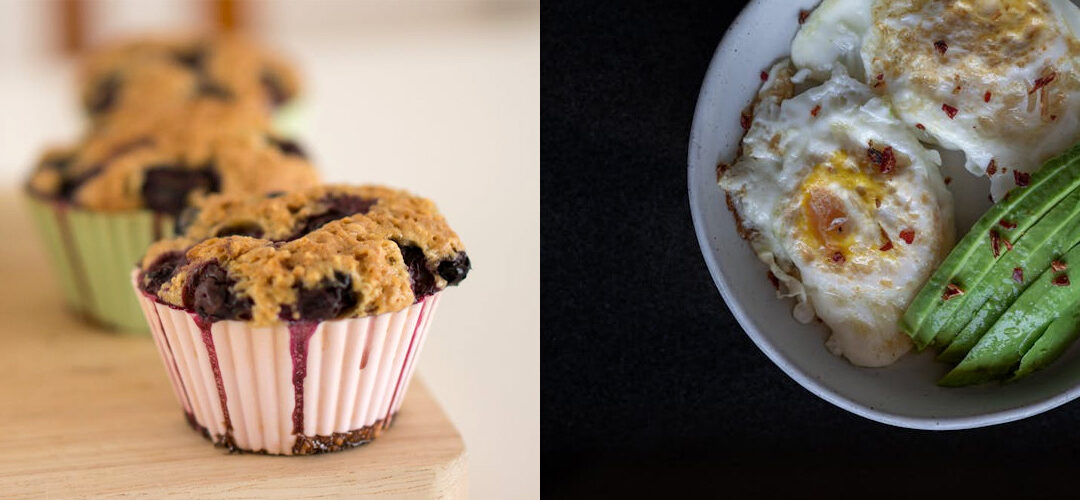
If you offered me a pizza today, or a Mars bar, or a chocolate muffin? I'd say no. Not out of willpower. The cravings have simply gone.
Don't get me wrong, the first week of the Atlas Diet was difficult. I got a headcahe on day four because my body was craving sugar. I felt distant and foggy, but a few days later everything evened out. The cravings started dropping, and my general anxiety did too.
And then there's something harder to explain but impossible to ignore. My head is calmer. I have a very ADHD brain, and I'm not making any scientific claims here - I'm not a doctor, and this is just my experience - but the lift-and-crash cycle of refined sugar eating has gone. I don't miss it. Not at all.
The weight is dropping. The body is changing. But honestly, it's the mental shift that's surprised me most.
Easy? No. Worth it? Completely.